
Bone Grafting in Layton, UT: A Patient Guide
Bone grafting in Layton, Utah, at 4 Dental Health is a procedure that rebuilds or preserves jawbone so teeth, dental implants, and gums have a stronger foundation. Patients often consider bone grafting when planning for dental implants, after tooth extractions, or when gum disease or injury has caused bone loss. This page explains how bone grafting works, when it is recommended, and what to expect from start to finish.
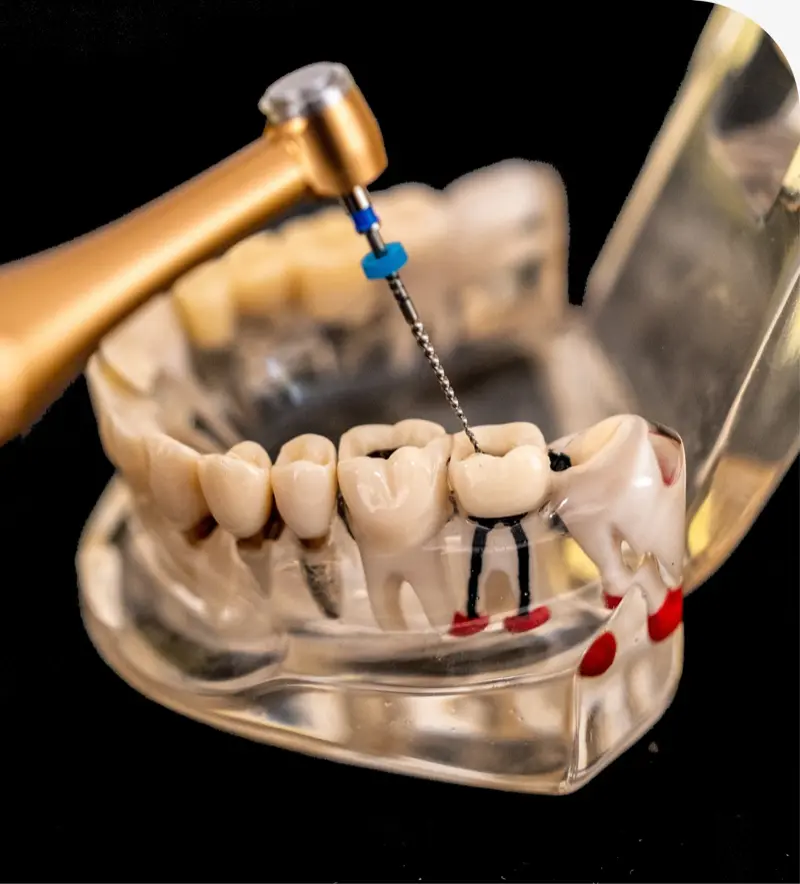
Bone Grafting Explained
Bone grafting adds natural or synthetic bone material to areas of the jaw that have thinned or resorbed. The goal is to restore bone volume and density so the area can support a dental implant or maintain the shape of the ridge after an extraction.
Common Graft Materials
Several biocompatible options can be used. Our dentist will recommend the best match based on your needs and health history.
- Autograft uses your own bone, often from another oral site.
- Allograft uses processed donor bone that is safe and screened.
- Xenograft uses purified mineral from animal sources to hold space.
- Alloplast uses synthetic materials that encourage new bone growth.
Benefits of Bone Grafting
- Preserves the socket after extraction to reduce ridge collapse.
- Improves the chances of long term stability for dental implants.
- Restores facial contours that can flatten with bone loss.
- Repairs defects from periodontal disease or trauma.
- Creates space in the upper jaw with a sinus lift when needed.
The Bone Grafting Process
The visit begins with an exam and imaging. Three dimensional scans help measure bone height and width and guide planning. For many patients, a small ridge preservation graft is placed right after a tooth extraction to protect the site. Others may need a staged ridge augmentation to build bone before an implant. In the upper back jaw, a sinus lift gently raises the sinus floor and places grafting material beneath it to allow proper implant length.
On the day of treatment, local anesthesia numbs the area. The graft material is placed, often covered by a collagen membrane, and the gums are closed with sutures. Most procedures take under an hour for a single site. Over the next few months, your body remodels the area and replaces the graft with your own living bone. Healing time for a bone graft typically ranges from three to six months, depending on the site, graft size, and your overall health.
What to Expect Before and After Treatment
Before your appointment, you may receive guidance about medications, eating, and transportation. After the procedure, mild swelling, bruising, and soreness are common for a few days and usually managed with over the counter pain relievers or prescribed medications.
- Bite on gauze as directed to control initial bleeding.
- Use a cold compress in the first 24 hours to limit swelling.
- Eat a soft diet and avoid chewing directly on the graft area.
- Rinse gently as directed and keep the site clean.
- Avoid smoking and strenuous exercise while healing.
Follow up visits check that the graft is integrating. Once the site is ready, an implant can be placed or the area can be restored as planned.
Did You Know?
Bone grafting can regenerate lost jawbone, creating the strong foundation needed for successful dental implant placement.
Got Questions?
Frequently Asked Questions
Bone grafting is advised when the jaw lacks enough height or width for an implant, after extractions to prevent bone loss, or to repair defects from gum disease or injury.
Options include your own bone, donor bone, animal derived mineral, or synthetic materials. Each choice is screened and designed to be biocompatible.
Most grafts need three to six months to mature. Larger augmentations or sinus lifts may require additional time before implant placement.
Local anesthesia keeps you comfortable during treatment. Soreness and swelling afterward are common and usually mild to moderate for a few days.
No. Some patients already have adequate bone. Grafting is recommended only when measurements show that added support will improve implant stability.
A sinus lift raises the sinus floor and places graft material in the upper back jaw to create the bone height needed for a secure implant.
Ready to Restore Your Foundation?
Call (801) 444-9090 or contact 4 Dental Health to schedule a bone grafting consultation in Layton, UT with Dr. Steven Christensen.