
Wisdom Teeth Removal in Layton, UT
Wisdom teeth removal in Layton, Utah, helps prevent problems caused by third molars that do not have enough room to grow. At 4 Dental Health, patients receive clear guidance on when removal is appropriate, what the procedure involves, and how to recover comfortably. This page explains what to expect from evaluation through healing so you can make an informed decision.
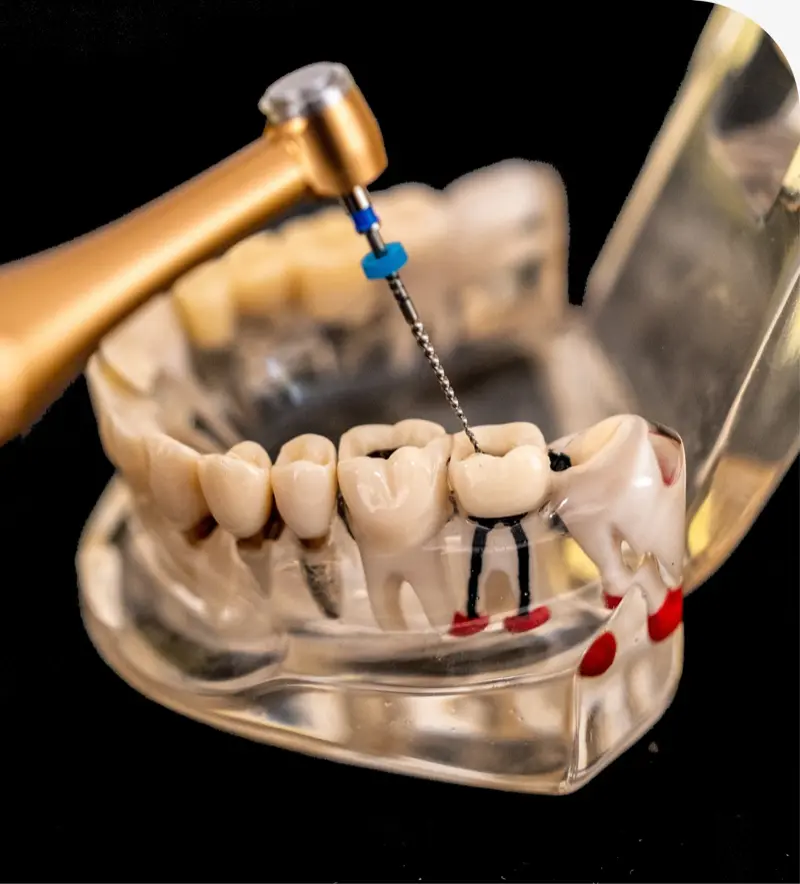
Wisdom Teeth Removal Explained
Wisdom teeth, also called third molars, usually emerge between ages 17 and 25. Because the jaw often lacks space, they can become impacted, tilt into nearby teeth, or only partially erupt beneath the gums. Impacted wisdom teeth may lead to pain, crowding, swelling, infection, gum disease, or tooth decay around the back molars.
Common impacted wisdom teeth symptoms include:
- Jaw tenderness or dull, throbbing pain in the back of the mouth.
- Red, swollen, or bleeding gums near the last molars.
- Bad breath or an unpleasant taste due to trapped bacteria.
- Headaches, ear pain, or pressure when biting.
- Shifting teeth or new crowding after braces.
How Wisdom Teeth Removal Can Help You
Removing problematic third molars can reduce the risk of future dental issues and protect existing teeth. Benefits of removing wisdom teeth may include:
- Pain relief when impacted or infected molars irritate gums or bone.
- Lower risk of cavities and gum disease in hard-to-clean back areas.
- Protection against cysts or damage to adjacent molars.
- Preservation of orthodontic results by minimizing crowding and shifting.
- Easier long-term hygiene and maintenance of overall oral health.
The Wisdom Teeth Removal Process
Your visit begins with a consultation, health review, and imaging to map each tooth. The number of teeth, their angle, and root development guide the treatment plan.
Anesthesia and sedation options for oral surgery are selected for comfort and safety. Choices may include local anesthesia to numb the area, nitrous oxide for relaxation, or oral sedation when appropriate. During the procedure, our dentist numbs the site, creates a small opening in the gum, and may section the tooth into smaller pieces for gentle removal. The area is cleaned, and stitches may be placed to aid healing. Most appointments last 45 to 90 minutes depending on the number and complexity of teeth.
Your Wisdom Teeth Removal Experience
Preparing for surgery involves simple steps:
- Follow medication and fasting instructions if sedation is planned.
- Arrange a ride home if you receive sedative medication.
- Plan soft foods, cold packs, and over-the-counter pain relievers.
Recovery after wisdom teeth extraction is usually straightforward. Expect mild swelling for two to three days, with gradual improvement over a week. Bite on gauze for pressure control, rest with your head elevated, and use cold compresses in the first 24 hours. Take prescribed or recommended pain medications as directed. Eat soft, cool foods and drink plenty of water.
To reduce complications, avoid smoking and do not use straws for several days to protect the blood clot and lower the chance of dry socket. Begin gentle saltwater rinses the day after surgery, and brush carefully around the site. Most people feel ready for school or work within two to three days, though complete socket healing takes about one to two weeks.
Contact the office if you notice severe pain after day three, fever, persistent bleeding, or worsening swelling. These may signal concerns that need prompt care.
Did You Know?
Early evaluation of wisdom teeth allows for planned removal before complications like impaction, infection, or crowding develop.
Got Questions?
Frequently Asked Questions
Extraction is recommended when third molars cause pain, infection, or damage to nearby teeth, or when imaging shows they are likely to become problematic. Early evaluation in the late teens helps determine timing.
Most patients recover enough for normal activities in two to three days. Swelling improves over a week, with soft tissue healing in about one to two weeks.
All surgery has risks, including dry socket, bleeding, infection, or temporary numbness if nerves are close to the roots. Careful planning and good aftercare reduce these risks.
Good clot protection is key. Avoid straws and smoking, keep activity light, follow your medication plan, and start gentle saltwater rinses after the first day.
That depends on the sedation option selected. Local anesthesia numbs the area while you remain awake. Nitrous oxide or oral sedation can ease anxiety and raise comfort while maintaining safety.
Teeth can be silent yet still damage nearby molars or harbor bacteria. Monitoring with periodic exams and X-rays helps decide whether observation or planned extraction is best.
Concerned About Your Wisdom Teeth?
Call (801) 444-9090 or contact 4 Dental Health to schedule a wisdom teeth evaluation in Layton, UT with Dr. Steven Christensen.