
Tooth Extractions in Layton, UT: A Clear Patient Guide
This educational resource explains tooth extractions so you know when removal is recommended, how the procedure works, and what recovery involves. Patients searching for tooth extractions in Layton, Utah, can use this guide to understand options, benefits, and practical aftercare steps before scheduling with our dentist and team.
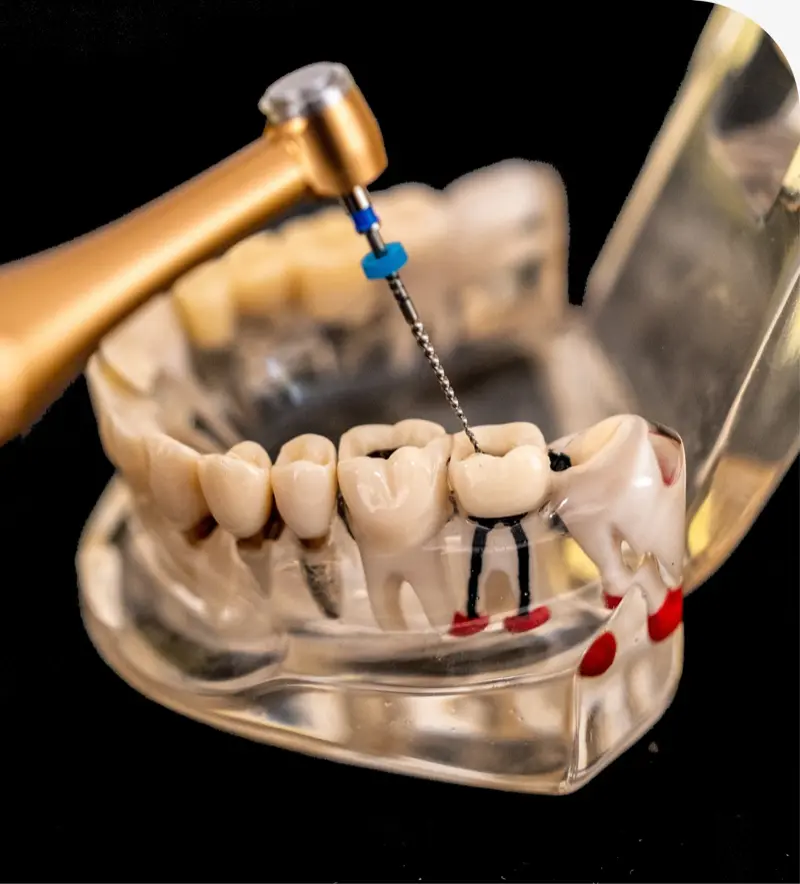
Tooth Extractions Explained
A tooth extraction is the removal of a tooth from the mouth when saving it is no longer predictable or safe. Dentists recommend removal for several situations: severe decay or infection, cracked teeth below the gumline, advanced periodontal disease, failed root canal therapy, impacted wisdom teeth, or to create space for orthodontic movement. Extractions are typically classified as simple or surgical.
With modern anesthesia and technique, most patients feel pressure rather than sharp pain. For those who are anxious, options such as nitrous oxide or oral sedation may be discussed. The goal is to remove the tooth safely, protect surrounding tissues, and set the stage for smooth healing.
How Tooth Extractions Can Help You
- Relieves persistent tooth pain and pressure
- Stops the spread of infection to nearby teeth or bone
- Prevents damage to adjacent teeth from crowding or impaction
- Improves gum health when a tooth has severe periodontal disease
- Creates space to support orthodontic alignment when needed
- Allows planning for a healthier replacement such as a dental implant
Step-By-Step Tooth Extraction Guide
The process begins with an exam and digital imaging to assess the tooth roots, surrounding bone, and nerves. A treatment plan is reviewed, including anesthesia choices and whether the case is simple or surgical.
On the day of treatment, local anesthesia numbs the area. For a simple extraction, the tooth is loosened and removed in one piece. For a surgical extraction, a small flap may be created and the tooth may be sectioned to remove it in controlled pieces. The site is cleaned, and stitches may be placed if needed. A protective blood clot forms as healing begins.
Your Recovery And What To Expect
Plan to rest the day of surgery. Bite on gauze as directed to control bleeding and help the blood clot stabilize. Use prescribed or over-the-counter pain medication as recommended. Apply an ice pack on and off the first 24 hours to reduce swelling. Sleep with your head elevated the first night.
Eat soft, cool foods such as yogurt, eggs, and smoothies by spoon. Avoid very hot, spicy, or crunchy foods for a few days. Do not disturb the socket with your tongue or fingers. Rinse gently with warm salt water after the first 24 hours to keep the area clean. Do not smoke or use straws for at least 72 hours, since suction and tobacco increase the risk of dry socket.
Most tenderness improves within two to three days. Soft tissue usually heals in one to two weeks, while bone remodeling continues for several months. If you plan to replace the tooth, options include implants, bridges, or partial dentures.
Did You Know?
Modern extraction techniques and anesthesia make the procedure comfortable, and most patients return to normal activities within 24–48 hours.
Got Questions?
Frequently Asked Questions
Local anesthesia prevents sharp pain, though pressure is common. Mild soreness and swelling afterward are typical and managed with cold packs and medication.
Teeth with deep fractures, untreatable infections, severe bone loss, or non-restorable decay often require extraction. An exam and X-rays guide the decision.
A simple extraction removes a visible tooth in one piece. A surgical extraction is used for impacted, broken, or difficult teeth and may involve a small incision and sectioning.
Most patients return to normal activities in 24 to 48 hours. Gum healing takes one to two weeks, and bone changes occur over several months.
Choose soft, cool foods like yogurt, mashed potatoes, and eggs at first. Advance to a normal diet as comfort allows, avoiding hard or crunchy items near the site.
Dry socket occurs when the blood clot is dislodged, exposing bone and nerves. Avoid smoking, straws, and vigorous rinsing early on to lower your risk.
Replacing a functional tooth preserves chewing, alignment, and jawbone health. Discuss the timing of implants, bridges, or partial dentures during your consultation.
Need a Tooth Evaluated?
Call (801) 444-9090 or contact 4 Dental Health to schedule a consultation for tooth extraction in Layton, UT with Dr. Steven Christensen.