
Root Canal Therapy in Layton, UT
Root canal therapy in Layton, Utah, helps save natural teeth that have deep decay, cracks, or infection inside the nerve space. At 4 Dental Health, patients can expect clear guidance on when treatment is needed, how the procedure works, and what recovery involves. This page explains the essentials so you can make informed choices about your care.
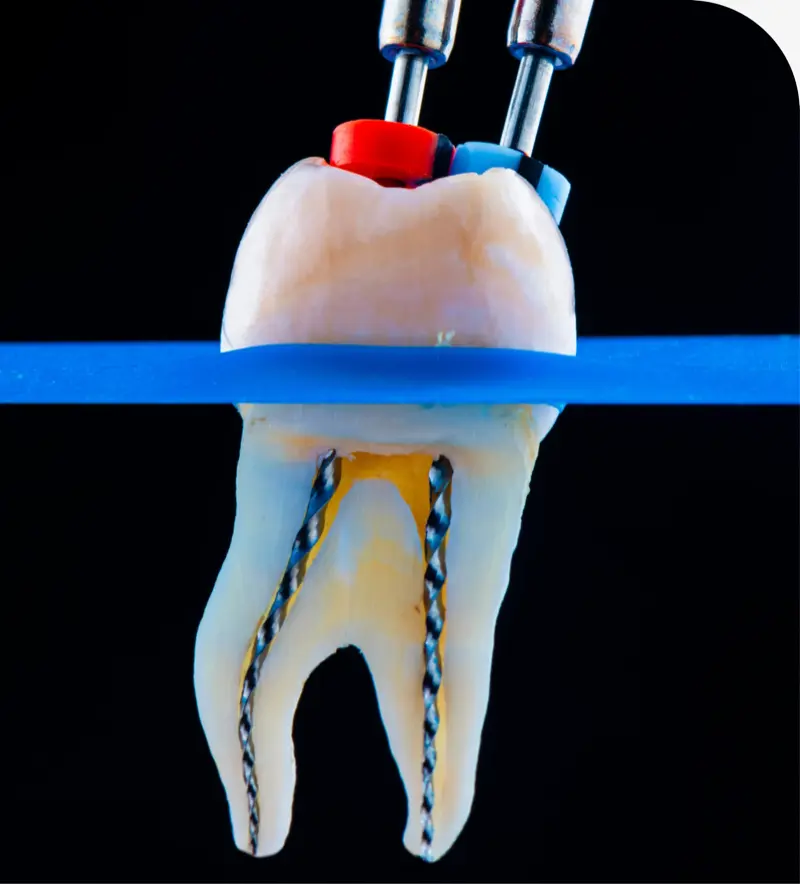
Root Canal Therapy Explained
Inside every tooth is a soft tissue called the dental pulp. It contains nerves, blood vessels, and connective tissue. When bacteria enter the pulp due to a cavity, a fracture, or past dental work, the tissue can become inflamed or infected. Root canal therapy, also called endodontic treatment, removes the diseased pulp, disinfects the canals, and seals the space to protect the tooth.
Common signs that a root canal may be needed include lingering sensitivity to hot or cold, pain when chewing, spontaneous toothache, swelling of the gums, or a pimple-like bump on the gum near the tooth. Sometimes there are few symptoms, and an X-ray reveals the problem. Left untreated, infection can spread and lead to bone loss or an abscess.
Benefits of Root Canal Therapy
- Relieves pain caused by inflamed or infected pulp.
- Stops the spread of infection and protects surrounding tissues.
- Preserves your natural tooth and maintains normal chewing function.
- Helps keep your bite stable by preventing tooth shifting after extraction.
- Offers a predictable solution with a high success rate.
How Root Canal Therapy Works
The exact steps vary by tooth and complexity, but most treatments follow a similar pathway:
- Evaluation and diagnosis by our dentist with clinical testing and an X-ray to confirm infection or inflammation.
- Numbing of the tooth and surrounding area so you remain comfortable throughout the visit.
- Isolation with a small protective sheet to keep the tooth dry and free of saliva.
- Access through the top of the tooth to reach the pulp chamber and canal openings.
- Cleaning and shaping of the canals with small instruments and disinfecting solutions.
- Medication inside the canals when needed to control bacteria and reduce inflammation.
- Filling the canals with a biocompatible material and sealing the internal space.
- Placement of a temporary or permanent restoration, followed by a crown in many cases.
What to Expect Before and After Treatment
Before your visit, you can eat a light meal and take prescribed medications as directed. Local anesthesia is standard, and most patients report pressure rather than sharp pain during the procedure. For a molar, expect one to two hours of chair time. A front tooth often takes less time.
After treatment, mild soreness is common for a few days. Over-the-counter pain relief usually manages symptoms well. Avoid chewing hard foods on the treated side until a final crown or permanent filling is placed. A crown is often recommended for back teeth to protect them from fracture and to restore strength.
Contact the office if you notice increasing swelling, pain that does not improve after several days, or if a temporary restoration comes out. With proper care, a root canal can last many years. Good home care and regular checkups are important for long-term success.
Did You Know?
A root canal saves your natural tooth and eliminates infection, allowing you to keep your smile intact rather than needing an extraction.
Got Questions?
Frequently Asked Questions
Local anesthesia keeps you comfortable during treatment. Most people feel pressure, not sharp pain. Afterward, mild tenderness is typical and improves within a few days.
Many cases are completed in a single visit of about 60 to 90 minutes. Molars or complex infections can require more time or a second visit.
Back teeth usually need a crown to prevent cracking and to restore full function. Front teeth sometimes do well with a bonded filling, depending on remaining tooth structure.
Saving a restorable tooth generally preserves chewing efficiency, jawbone, and alignment. Extraction may be chosen for teeth with severe fractures, poor gum support, or extensive decay beyond repair.
Lingering sensitivity to temperature, biting pain, gum swelling, discoloration of the tooth, or a gum pimple can signal pulp problems. An exam and X-ray provide confirmation.
Antibiotics can reduce bacterial load temporarily but do not remove infected tissue inside the tooth. Definitive treatment requires cleaning, shaping, and sealing the canals.
Most patients return to normal activities the same day. Soreness peaks within 24 to 48 hours and eases with routine pain relief. Avoid hard chewing until the final restoration is placed.
Experiencing Tooth Pain?
Call (801) 444-9090 or contact 4 Dental Health to schedule an evaluation for root canal therapy in Layton, UT with Dr. Steven Christensen.